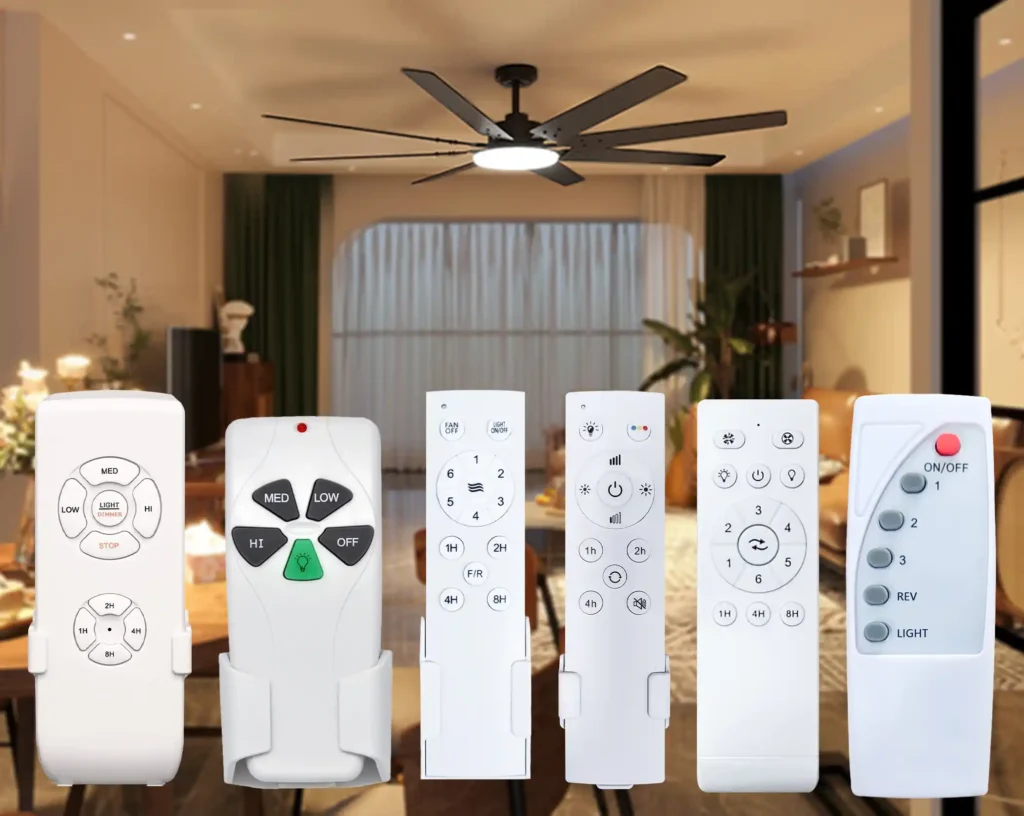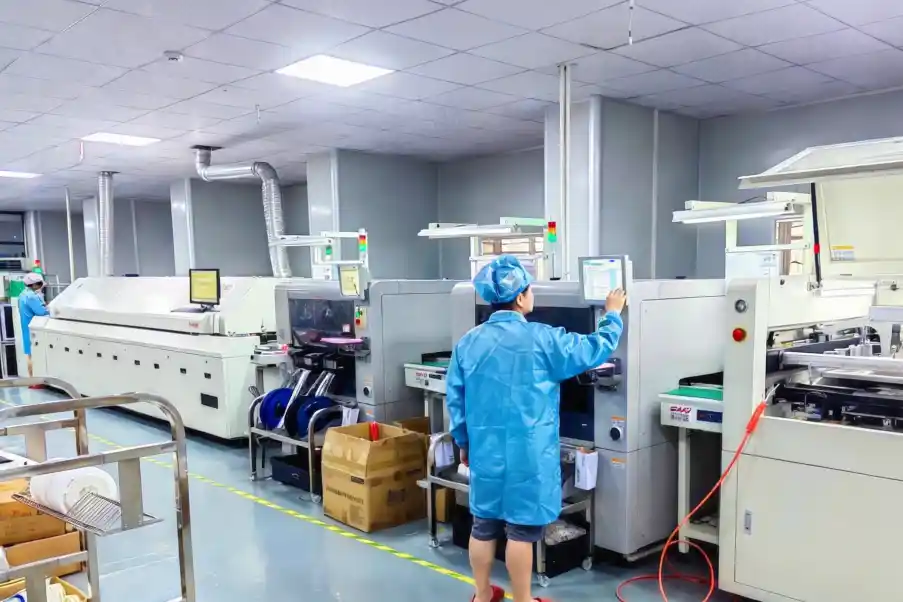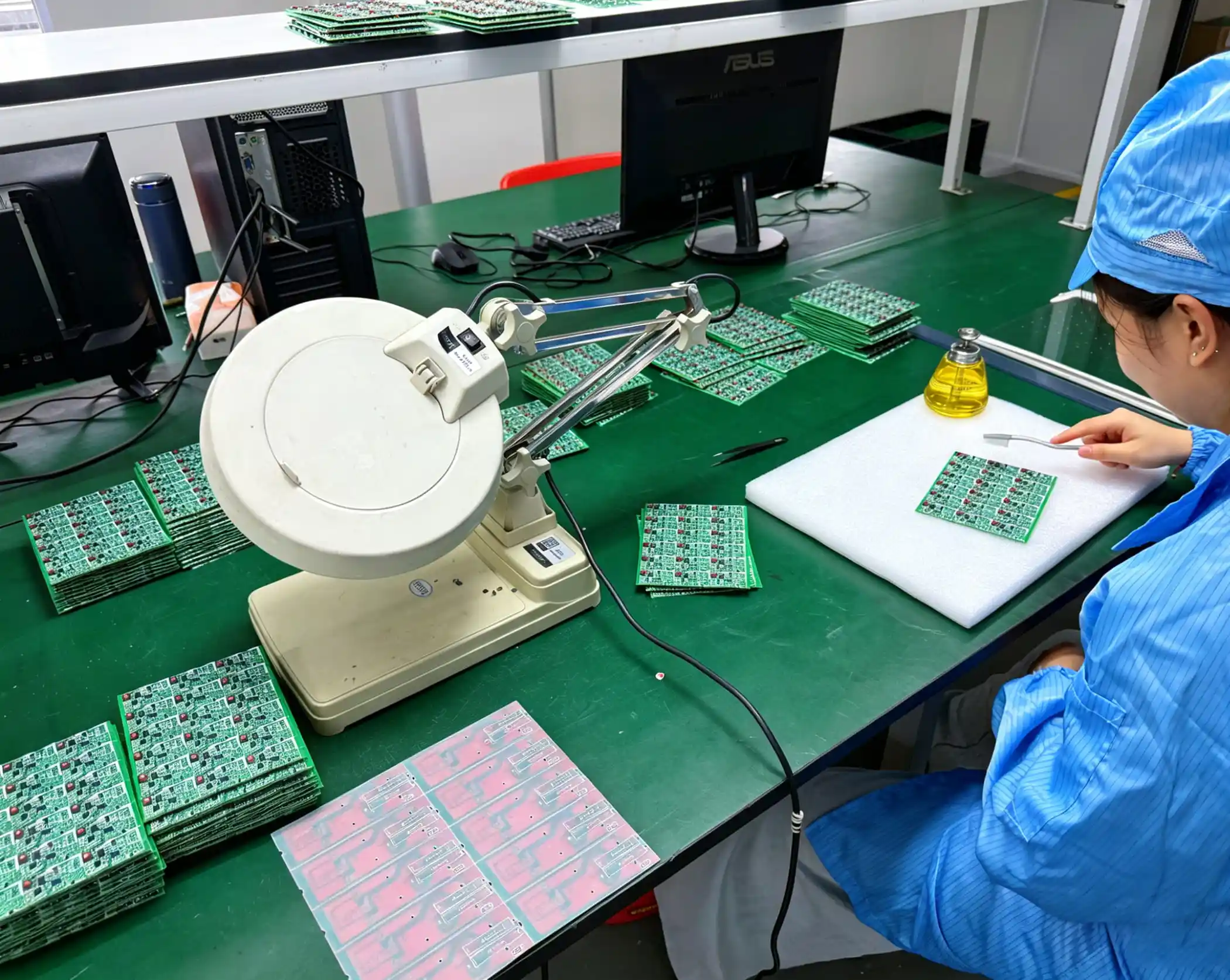
Mark called me on a Tuesday in November 2023. The buyer sounded tense. Six months earlier, the company had purchased 5,000 universal ceiling fan remotes from a trading company in Shenzhen.
Now, the return rate had climbed past 14%. The warehouse manager was angry, and retail partners were losing trust. Mark needed an immediate fix.
Our call lasted 47 minutes. By the end, Mark understood a hard truth. Universal remotes are not neutral products.
They are compromises that work okay with many fans. They work perfectly with none. The problem was not remote quality.
The core issue was the match. Mark’s fans used a 304MHz receiver with a specific rolling code protocol. The universal remote covered 303MHz to 315MHz.
It learned the code but missed every sixth or seventh command. A customer would press the light button, and nothing happened. Pressing it again turned the fan off.
One missed command becomes a one-star review. Multiply that by 5,000 units. That was the crisis Mark faced.
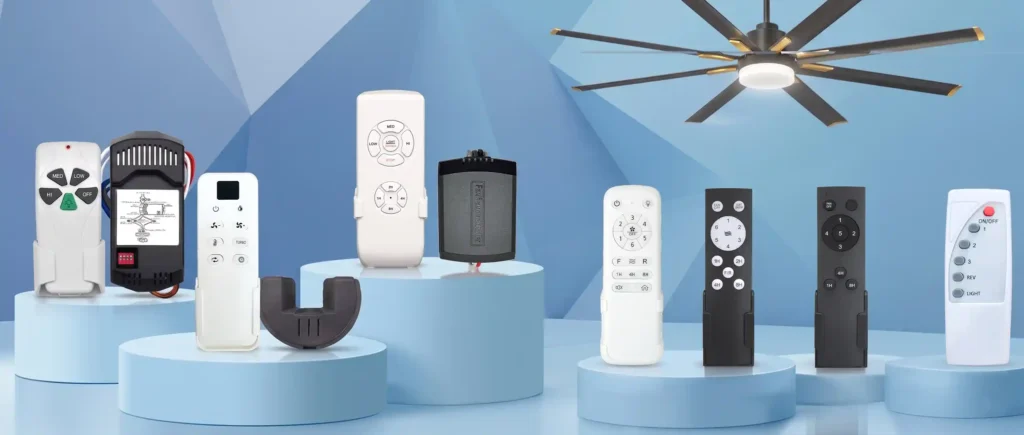
How We Fixed Mark’s Problem
Mark found Huashi through a forum post about encoding protocols. We spoke for two weeks. I asked for the receiver module, and Mark sent three samples to our lab.
Our engineering team pulled the exact frequency and code structure. Then, we built a remote matched exactly to that specific fan.
The first batch was 2,000 units. We kept the familiar shell shape but changed the internals.
The new internals included:
- Fixed 304MHz crystal
- Fixed code chip locked to the receiver protocol
- Custom button mapping
- Custom logo on the housing
The unit cost dropped by 18% compared to the old universal remote. We removed the learning circuit and the multi-frequency module. We built only what the fan needed.
Four months later, the return rate dropped below 2%. The remaining returns were mostly shipping damage, not product failure. Mark has ordered four more production runs since then.
Custom manufacturing is not just about branding. It is about function and exact matching. Most importantly, it protects the brand you spent years building.
Huashi
Let me be direct about our work. As a product engineer at Huashi, I handle both sides of the remote market. We make universal remotes and custom OEM remotes.
The difference is not quality. Both use the same grade components. The difference is purpose.
Our universal remotes serve distributors who sell aftermarket replacement parts. These cover common US frequencies like 303.875MHz, 304MHz, and 315MHz. They work with most AC fan receivers in North America.
These remotes offer simple features:
- Neutral packaging
- 100-unit MOQ
- Stock-and-sell design
Our custom OEM remotes serve fan brands. You control the frequency, code, housing, button layout, and logo. We match the remote to your receiver at the component level.
Custom features include:
- Fixed frequency crystal
- Fixed encoding chip
- No learning mode
- No interference risk
MOQ starts at 1,000 units for custom housing. For custom internals in a shared shell, it starts at 500 units.
The per-unit cost drops fast at 3,000 units and again at 10,000 units. This is a brand-building business.
I give every buyer the same advice. If you sell replacement parts, buy our universal line. If you sell complete fans under your own brand, buy our custom line.
The wrong choice costs more than money. It damages your reputation.
Bond Home
Bond Home is a US-based smart home company. Their universal controller connects to WiFi. It uses an RF blaster to learn and repeat ceiling fan codes.
The main strength is the app experience. One device controls multiple fans. Voice commands work through Alexa and Google Home.
For a homeowner with three different fans, Bond solves a real problem. But for OEM buyers, the limitation is clear. Bond is a finished consumer product.
You cannot private label it. You cannot embed it in a fan box as a matched accessory. The RF learning is broad.
It scans and copies codes. This works well in a living room with one fan. But it gets messy in a warehouse with 200 fans running test cycles.
Bond is best for the smart home enthusiast. It is not built for fan manufacturing or branded distribution. If your customer wants an in-box remote that just works, Bond is not the answer.
Hampton Bay
Hampton Bay is the Home Depot house brand. Their universal remotes sit on retail shelves across the United States. The main strength is access.
Any homeowner can walk into a store and buy a replacement remote for under twenty dollars. The packaging is clean. The instructions are simple.
For the DIY replacement buyer, this is a good product. But for an OEM buyer, the picture changes. Hampton Bay remotes use fixed encoding tied to Hampton Bay receivers.
If your fan uses a different code structure, the remote will not pair. The housing also has limits:
- Generic white plastic
- No custom color options
- No logo placement
The wholesale cost does not compete with a custom remote made at 3,000 units or above. Hampton Bay serves one purpose well. It replaces a lost or broken remote for a mass-market fan.
It does not help a fan brand build identity. It does not reduce return rates. It does not match your fan’s exact frequency.
I respect the product, but I would not put it in a box with my brand name. It simply does not fit OEM needs.
Lutron
Lutron is a premium lighting and fan control brand. Their Maestro fan controls are wall-mounted. The build quality is high, and the dimming curve is smooth.
Designers and architects specify Lutron for high-end homes. Their main strength is brand trust built over decades. For ceiling fan OEM buyers, the gap is the product format.
Lutron makes wall controls. They do not make handheld remotes for fan boxes. Their control system is closed.
You cannot match a Lutron wall unit to a third-party fan receiver without a proprietary bridge module. The cost per unit is high. MOQ flexibility is zero because they do not sell through OEM channels.
Lutron is right for a custom home build where an electrician installs everything. It is not right for a fan brand shipping 5,000 units a month to hardware stores.
I mention Lutron because buyers ask about sourcing a Lutron-style remote. My answer is always the same. You can match the build quality, but you cannot match the closed ecosystem.
You do not need to match it. Your customer wants a remote that works with your fan. That is what we build.
Final Thoughts
This article came from a real problem Mark faced. The universal remotes did not match the fans. Returns went up, and trust went down.
After switching to custom OEM remotes from Huashi, the return rate fell. The per-unit cost dropped, and the brand recovered.
Here is the main takeaway for buyers. Huashi makes both universal and custom remotes. We do not push one over the other.
We recommend the option that fits your business:
- For aftermarket replacement parts, our universal line gives you a stock-ready product at a low MOQ.
- For your own fan brand, our custom OEM line gives you a matched remote at a better cost and higher reliability.
The key is knowing your business type. Test before you commit. Get samples and compare the remote to your fan receiver.
Run a small pilot batch. Talk to your manufacturer about your real order volume and growth plan. Good suppliers will guide you to the right product.
That is our job. If you have questions about universal or custom fan remotes, send me an email. I will give you the same honest answers I gave Mark.