I once changed a ceiling fan controller and saw how a small part could change daily comfort and power use.
That experience stayed with me because many buyers focus on the fan body first. I think the controller deserves the same care, especially when summer demand is high.
Huashi
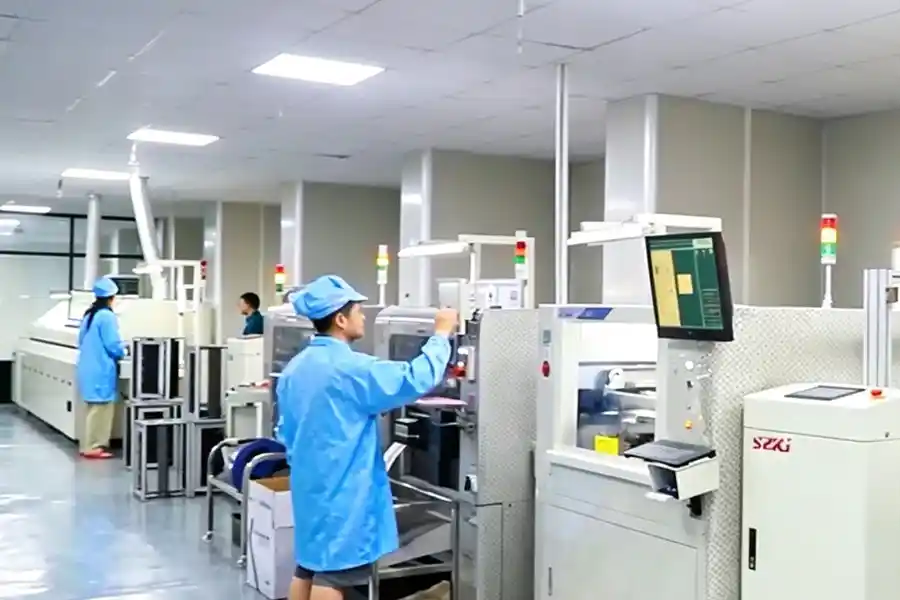
As the founder of Huashi, I have spent many years working with ceiling fan manufacturers and B2B buyers. I know that a ceiling fan controller looks like a small part, but I also know that this small part can affect the whole user experience. It can affect fan speed, noise, comfort, safety, and even how often people use the fan instead of turning on the air conditioner.
I once changed the controller in a ceiling fan during a hot summer. I did not expect a big change at first. I only wanted smoother speed control and more stable operation. After the change, I used the fan more often at night and during early evening hours. I used the air conditioner less. My summer electric bill dropped by about 40% in that period. I do not say every home will see the same result. Many factors affect an electric bill. Home size, weather, insulation, air conditioner age, and user habits all matter. But that experience taught me one clear lesson. A better controller can help people use a ceiling fan in a smarter way.
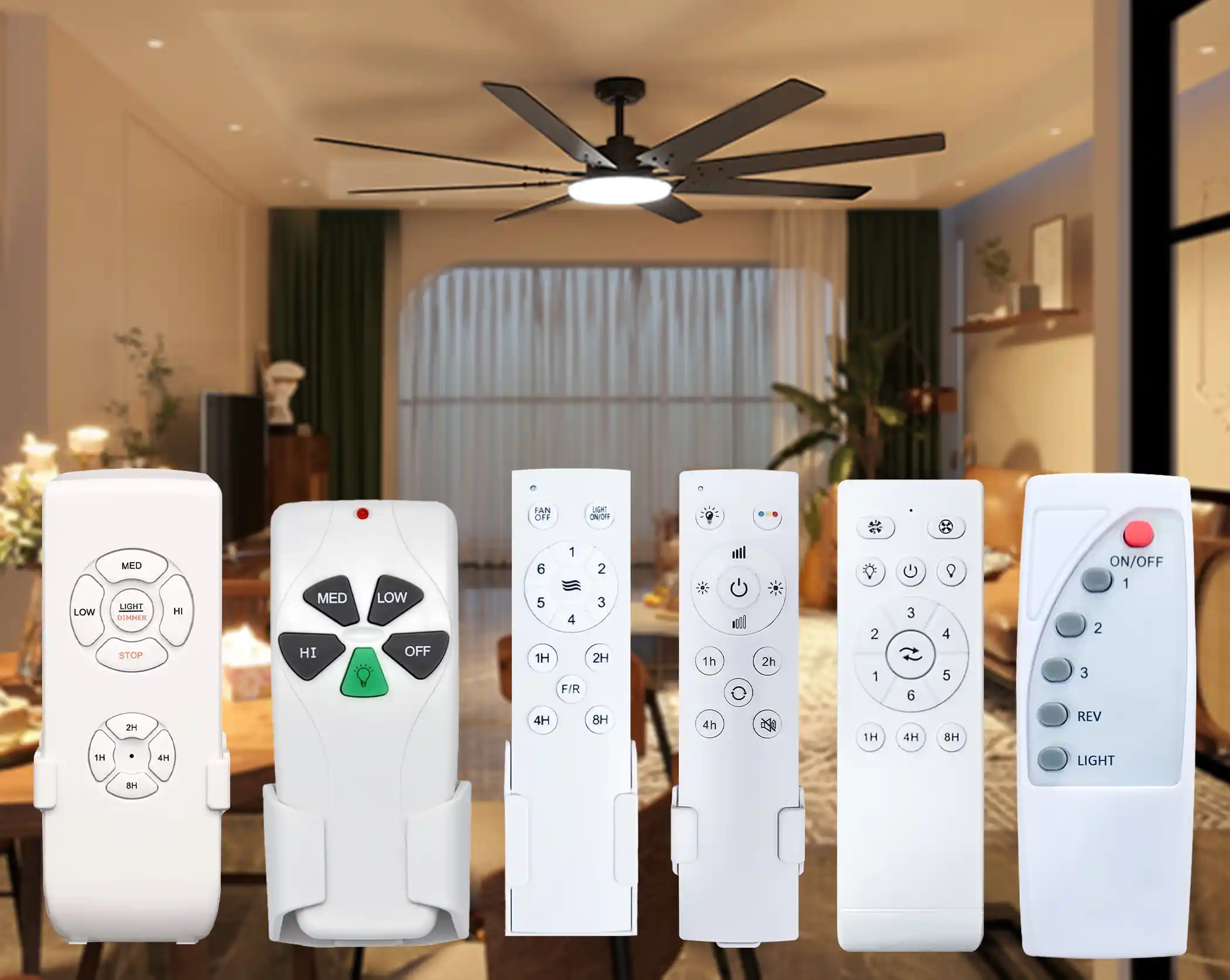
This is why I pay close attention to controller design at Huashi. We produce ceiling fan remotes and ceiling fan controllers for fan manufacturers, distributors, and OEM or private label buyers. I do not see our product as only a remote in a box. I see it as the control point between the motor, the fan, and the person using it every day.
For B2B buyers, I think the first concern should be stable quality. A controller must work the same way in one batch and the next batch. A buyer may test ten samples before an order, but the real test starts when thousands of units reach the market. If the button feel changes, if the signal range is weak, or if the receiver fails after installation, the buyer will face service cost and customer complaints. I have seen this problem many times in OEM supply work. A small saving on parts can become a large after-sales cost.
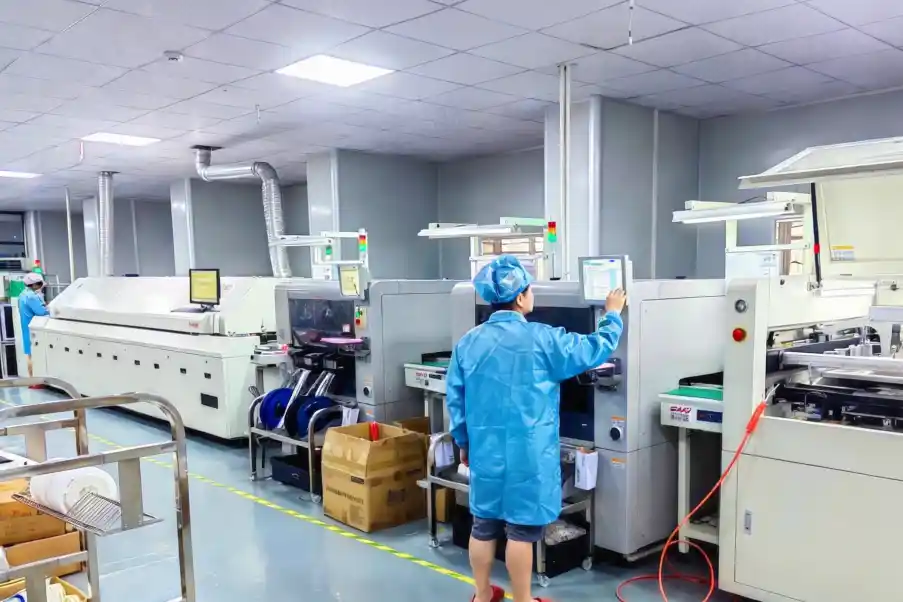
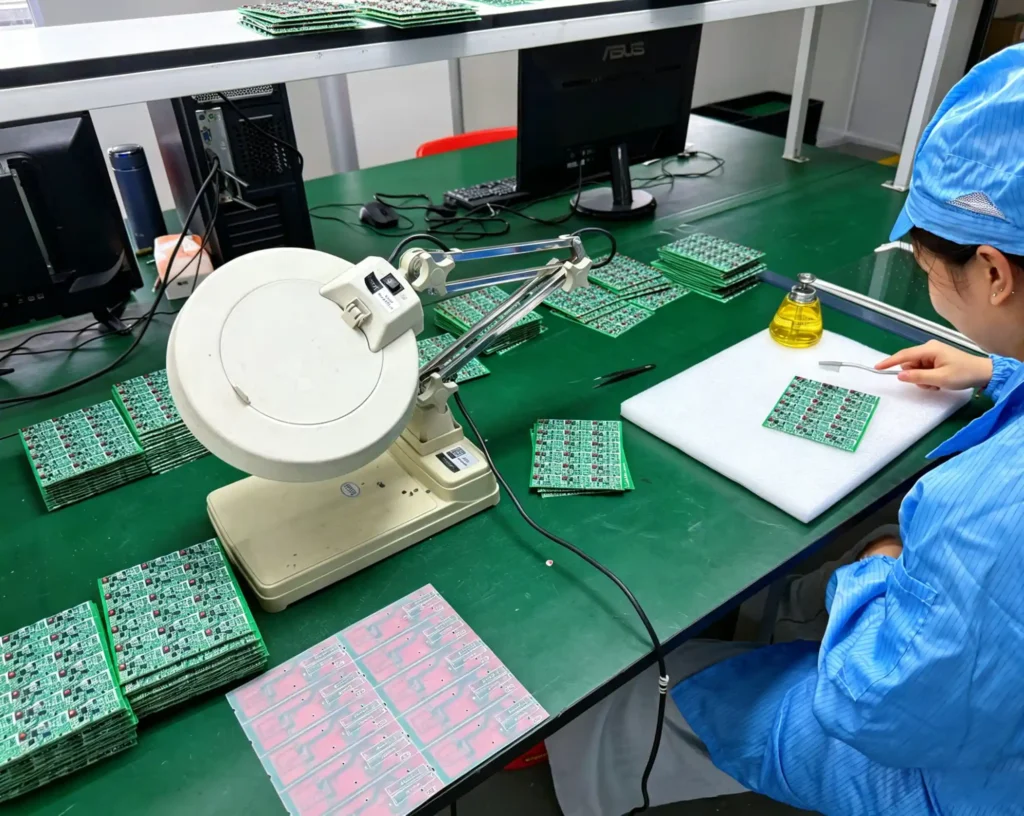
At Huashi, I focus on batch consistency. We look at the circuit design, component selection, assembly process, and final testing. We also pay attention to packaging because many B2B buyers need private label cartons, instruction sheets, stickers, and product sets that match their sales channels. A ceiling fan distributor in the United States may care about shelf presentation. A fan factory may care more about easy assembly and low installation error. I think a good supplier should understand both cases.
I also value clear communication. In my daily work, I speak with buyers who compare product specifications, lead times, compliance needs, and pricing. Some buyers need a simple three-speed remote. Some buyers need light dimming, timer settings, reverse control, or smart functions. Some buyers need a receiver that fits a certain fan housing. If the factory does not ask the right questions early, the project can slow down later. I try to solve these details before sampling, because a clear sample stage can protect the full order.
Product development is another important part of our work. Ceiling fan controls are changing. Buyers now ask more about energy use, quiet operation, better signal stability, and user-friendly design. Some markets still prefer simple remotes. Some markets want smart control. Some buyers need both because they sell to different customer groups. I think Huashi can be a strong partner here because we work close to the product and the factory floor. We can discuss structure, function, packaging, and order planning in a practical way.
I also understand the pressure on B2B buyers like Mark. He cannot choose a supplier only because the price looks good. He needs stable supply, clear answers, and products that fit his market. He must protect his brand and his customers. When he buys ceiling fan remotes under private label, the end user may never know the factory name. But if the controller fails, the distributor still pays the price. This is why I always suggest buyers test samples carefully, confirm the product details, and discuss long-term supply before they place large orders.
I recommend Huashi when a buyer wants a ceiling fan remote and controller supplier that understands OEM work, private label needs, and long-term B2B supply. I do not promise magic results. I do promise that we take the controller seriously, because I have seen how much this small part can affect the final product.
Hunter Fan
From what I have seen, Hunter Fan has strong recognition in the ceiling fan market. Many homeowners in the United States know the brand. I think their strength comes from finished ceiling fans, consumer trust, and a wide retail presence. When buyers think about ceiling fan controls, Hunter may come up because many of their fans include remotes or compatible controls.
I think Hunter can be a good reference point for user expectations. Their products show what many end users expect from a fan and remote set. Still, I would separate a consumer fan brand from an OEM controller supplier. A distributor who wants private label remotes may need more control over specifications, packaging, pricing, and long-term part supply. I would study Hunter as a market benchmark, but I would still compare factory partners for B2B supply needs.
Fanimation
I have seen Fanimation discussed often in the decorative ceiling fan market. Their fans often focus on style, design, and finished product appeal. I think their strength is that they understand how a fan fits into a room and how the full product feels to the end user. Their controls and accessories are part of that user experience.
I think Fanimation can be useful for buyers who want to understand design trends and consumer expectations. But if I were sourcing ceiling fan controllers for OEM supply, I would still look closely at whether the control product can be customized for my own fan line. I would also check supply terms, after-sales support, and whether the controller is designed mainly for their own fan systems or for wider B2B use.
Modern Forms
From what I have seen, Modern Forms has built a name around modern fans and smart fan features. Many of their products focus on app control, smart home use, and clean design. I think this is useful because many buyers now ask how ceiling fans can work better with modern homes.
I think Modern Forms can be a good fit for buyers who want to study smart fan trends. Their products can show how the market is moving toward connected control. But smart functions also add more things to check. I would check app stability, pairing steps, user support needs, and long-term software support. For private label buyers, I would also check whether the smart control system can be adapted to their own brand and service model.
Hampton Bay
I see Hampton Bay as a strong retail reference because many buyers connect the name with The Home Depot. The brand covers many home products, including ceiling fans and fan accessories. I think its main strength is wide consumer access and price awareness. Many end users know the brand because they see it in a major retail channel.
I think Hampton Bay can be useful when a buyer wants to understand what mass-market consumers expect. The products often show common price points, common functions, and common packaging styles. But I would be careful when using a retail brand as a supplier benchmark. A B2B buyer may need factory support, direct communication, OEM packaging, and stable production planning. Retail product availability does not always answer those sourcing needs.
Why the Controller Matters More Than Many Buyers Think
I often explain to buyers that a fan controller is not only an accessory. It is part of how the fan delivers value. If the controller gives smooth speed options, the user can choose a comfortable level instead of turning the fan off. If the signal is stable, the user trusts the fan more. If the receiver is designed well, the fan works with less trouble after installation.
This matters for energy use because comfort changes behavior. Many people turn on an air conditioner because the room feels still and heavy. A ceiling fan does not lower the room temperature like an air conditioner, but it helps the body feel cooler. If the controller makes the fan easy to use, people may use the fan more often. They may set the air conditioner higher. They may delay turning it on. Over a hot summer, those small choices can add up.
I do not think buyers should use a fixed saving number as a promise. My own 40% bill drop was a personal case. It came from controller improvement and changed usage habits. It also depended on my home and that summer. But I do think the story is useful for B2B buyers. It shows that a better controller can affect how customers use the product after purchase.
For a distributor, this can become a selling point. The claim should be careful and honest. A buyer can say that a better ceiling fan control system may help users improve comfort and reduce air conditioner use. The buyer should not promise the same bill result for every home. I think this honest message is stronger in the long run because it builds trust.
What I Would Check Before Sourcing
When I help buyers compare ceiling fan controllers, I first look at the motor and control match. The receiver must fit the electrical needs of the fan. The remote must have the right functions. The control logic must be clear for the user. If a remote has many buttons but the user cannot understand it, the design is not truly good.
I also check signal range and stability. A weak remote creates complaints even when the fan motor is fine. I check button feel because users touch the remote every day. I check the plastic housing because it affects both appearance and durability. I check the instruction sheet because many service problems start with unclear installation steps.
For OEM and private label buyers, I also check packaging. I ask where the product will be sold. I ask if the buyer needs a neutral box, a printed retail box, a barcode, a warning label, or a custom manual. These details look small, but they matter when the shipment reaches a warehouse or retail channel.
I also discuss lead time early. A buyer may have a sales season. Summer demand can move fast. If the factory does not plan materials and production well, the buyer may miss the market window. I think a good supplier should be honest about timing. It is better to give a realistic schedule than to promise a fast date and fail later.
Final Thoughts
I wrote this article to show why a ceiling fan controller can matter more than many people think. I used my own controller swap story because it helped me see the link between control quality, comfort, and daily energy habits. I still believe each buyer should treat savings claims with care because every home and market is different.
I do not think there is one single best supplier for every buyer. I think the right choice depends on the fan design, target market, price level, packaging needs, function needs, and long-term supply plan. I suggest buyers test samples, compare specifications, check packaging details, review lead times, and request quotes based on their own market needs.
If you are comparing ceiling fan remote suppliers or planning an OEM controller project, I welcome your questions. I am glad to share what I have learned from the factory side and from the sourcing table.